


Macronutrients and micronutrients.
Everything you eat breaks down into two groups. Macronutrients — protein, carbohydrates and fats — provide energy and structure, and you need them in relatively large amounts. Micronutrients — vitamins and minerals — are needed in far smaller amounts, but they are just as essential: they power the thousands of reactions that keep you healthy.
A varied, mostly-plant diet is the best foundation for both. The World Health Organization recommends plenty of vegetables, fruit, legumes and whole grains, with limited added sugar, salt and saturated fat. Supplements are exactly that — supplemental — they support a good diet, they do not replace it.
The three that fuel you.
Each plays a distinct role — the goal is balance, not cutting any one out.
Protein
Builds and repairs muscle, skin and enzymes. Found in beans, lentils, soy, eggs, fish and lean meats.
Carbohydrates
Your body's main energy source. Whole grains, fruit, vegetables and legumes deliver carbs with fibre.
Fats
Essential for hormones, brain health and absorbing fat-soluble vitamins — especially Omega-3 fatty acids.
Why even good diets fall short.
Modern diets, busy schedules and depleted soils mean many people miss the mark on certain nutrients even when they eat well. According to the NIH Office of Dietary Supplements, multivitamin/mineral products are among the most common ways people bridge that gap — helping cover shortfalls in nutrients like vitamin D, and certain B vitamins and minerals.
That is the thinking behind Multi Pro, our 31-nutrient daily multivitamin, and why we dose to clinically-meaningful amounts rather than token ones. For a nutrient-by-nutrient breakdown, see our Vitamins 101 guide.
Not all fat is created equal.
Omega-3 fatty acids (EPA and DHA) are essential fats your body cannot make on its own. The American Heart Association recommends eating fish rich in them regularly to support heart and brain health — and when diet falls short, a high-purity fish-oil supplement can help top up the difference.
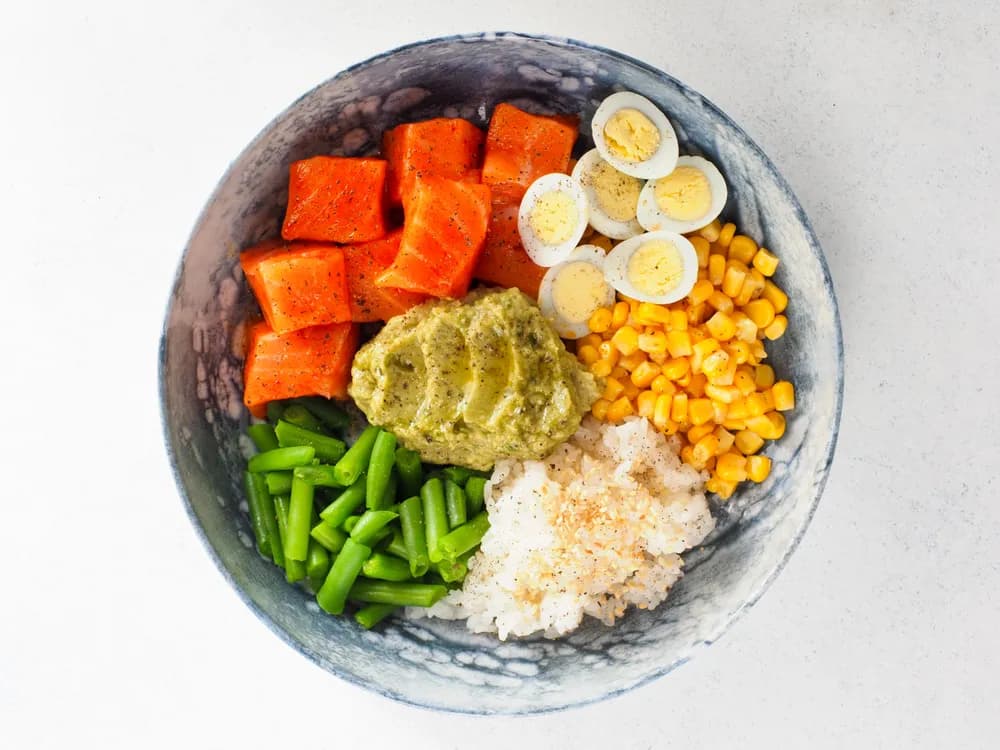
Food first, then fill the gaps.
Hydration, sleep and movement matter as much as what is on your plate. No pill replaces the fibre, phytonutrients and satisfaction of real food — which is why every Organica Living label carries the same honest reminder:
“Food supplements should not be used as a substitute for a balanced diet and healthy lifestyle.”
Used well, a supplement is a small, reliable daily habit that closes the gaps a busy life leaves open. Curious how we make ours? See our approach.
- World Health Organization — Healthy diet (fact sheet)
- NIH Office of Dietary Supplements — Multivitamin/Mineral Supplements
- NIH Office of Dietary Supplements — Omega-3 Fatty Acids
- American Heart Association — Fish and Omega-3 Fatty Acids
- NIH Office of Dietary Supplements — Nutrient fact sheets (browse all)
Nutrition made simple.
Start with a balanced plate, then let a clinically-dosed daily supplement do the topping-up.
Explore the rangeThese statements have not been evaluated by the Food and Drug Administration. This product is not intended to diagnose, treat, cure, or prevent any disease.